
About Omah Lor
About Dwi
Dwi Pertiwi is an Indonesian social entrepreneur, ecosystem builder, and fierce advocate for social justice. From pioneering certified organic trade with thousands of families across Java, NTT, and NTB, to co-founding PT Kaleka Wana Nusantara, her work centers on empowering local communities.
In 2020, driven by love for her son, Dwi courageously co-filed a landmark judicial review to the Indonesian Supreme Court to legalize medical marijuana for physically and neurologically challenged children. Whether fighting for healthcare access, launching community spaces like BringIn Communal Space, or speaking at international academic conferences, Dwi dedicates her life to systemic change and sustainable living.


The Team

Yura
Yura has been an essential part of Omah Lor since completing her Permaculture Design Course in 2019. Serving as the backbone of daily operations, she seamlessly steps in to manage everything in Dwi’s absence. Grounded in her Minangkabau matriarchal roots, Yura brings natural leadership, deep-seated farming knowledge, and exceptional cooking skills to the team—making her the perfect guide and mentor for the young volunteers who visit Omah Lor.

Budhe Tini
Budhe Tini is the beating heart of Omah Lor. As the residents mother figure, she nourishes the community and keeps everyone grounded and aligned. Her true domain is Pawon, Omah Lor’s public kitchen, where her deep knowledge of farm-to-table cooking and traditional herbal medicine shines. Budhe Tini bridges the kitchen and the fields by signaling what needs to be grown, while personally harvesting, processing, and preserving the yield. A resilient single parent, she brings warmth, wisdom, and maternal care to everyone who steps foot on the land.

Pak Sugi
A farmer by birth and a true craftsman by nature, Pak Sugi possesses an innate understanding of soil, crops, and climate. Based in Omah Kidul, he oversees the cultivation of the grains, nuts, beans, and vegetables that sustain Omah Lor. Beyond his expertise in sustainable agriculture, Pak Sugi is a skilled builder and electrician—a rare combination of talents that makes him an invaluable mentor to our volunteers.

Pak Yusman
Pak Yus keeps Omah Lor’s farm running smoothly with an eye for detail and a passion for beauty. Believing that a farm should be as visually inspiring as it is productive, he takes the initiative to fix and refine things the moment he spots an issue. Warm and welcoming, Pak Yus especially enjoys connecting with international volunteers—sharing stories, practicing his English, and learning about different cultures. He is also a master craftsman who handcrafts tools and utensils from natural materials like bamboo and bottle gourds, always eager to pass on his traditional skills with a bright smile.

Pak Tekad
Pak Tekad is a multi-talented craftsman whose primary passion and expertise lie in construction. He plays a vital role at Omah Lor, using his specialized skills to maintain and restore our iconic bamboo structures. Beyond building, he is equally adept in the garden and farm, stepping in wherever needed. While Pak Tekad is hard of hearing and naturally quiet, don't hesitate to tap him on the shoulder for a chat—you’ll be delighted by the rich knowledge he eagerly shares.

“Use this space to share reviews from customers about the products or services offered.”
Philosophy
Our purpose is to build an open, fair, and safe ecosystem where diversity thrives, freedom is protected, and equality is a baseline.
Values
Equality
Responsible Freedom
Safe and Fair
Our Journey Over The Years

2016
Omah Lor Built and Founded
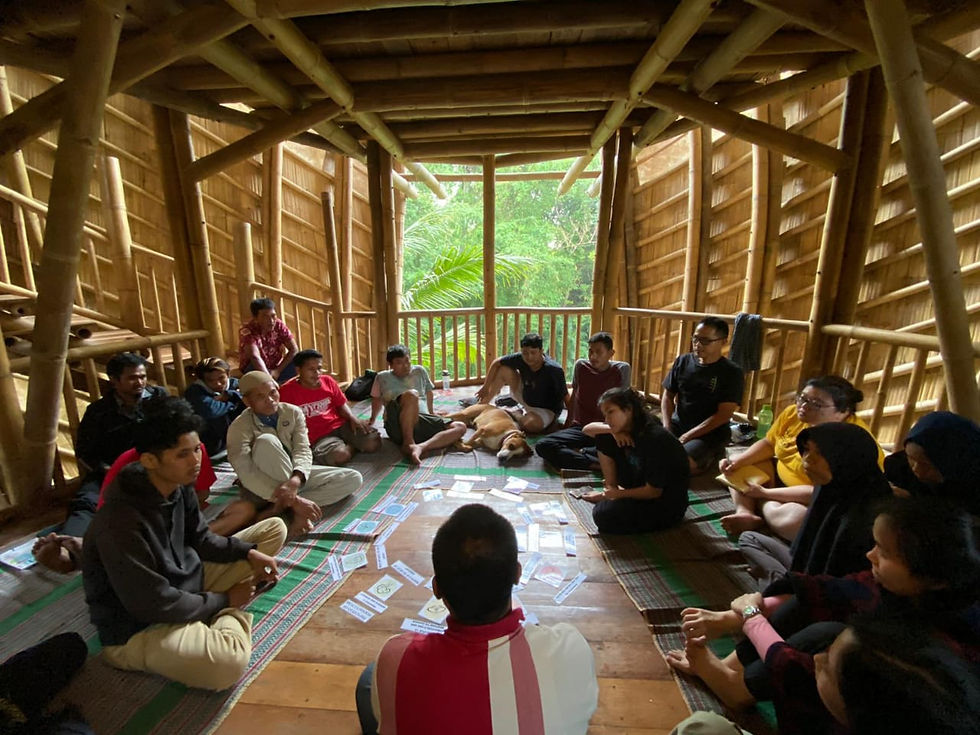
2017
Permaculture Design Course Started and now held 3 times a year
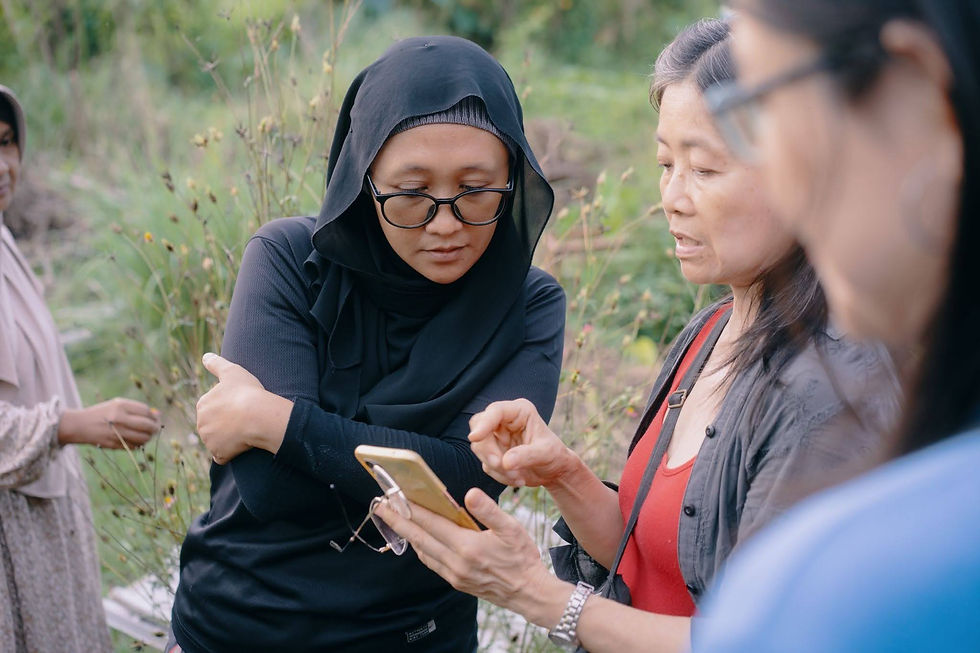
2018
Omah Lor is on Social Media!
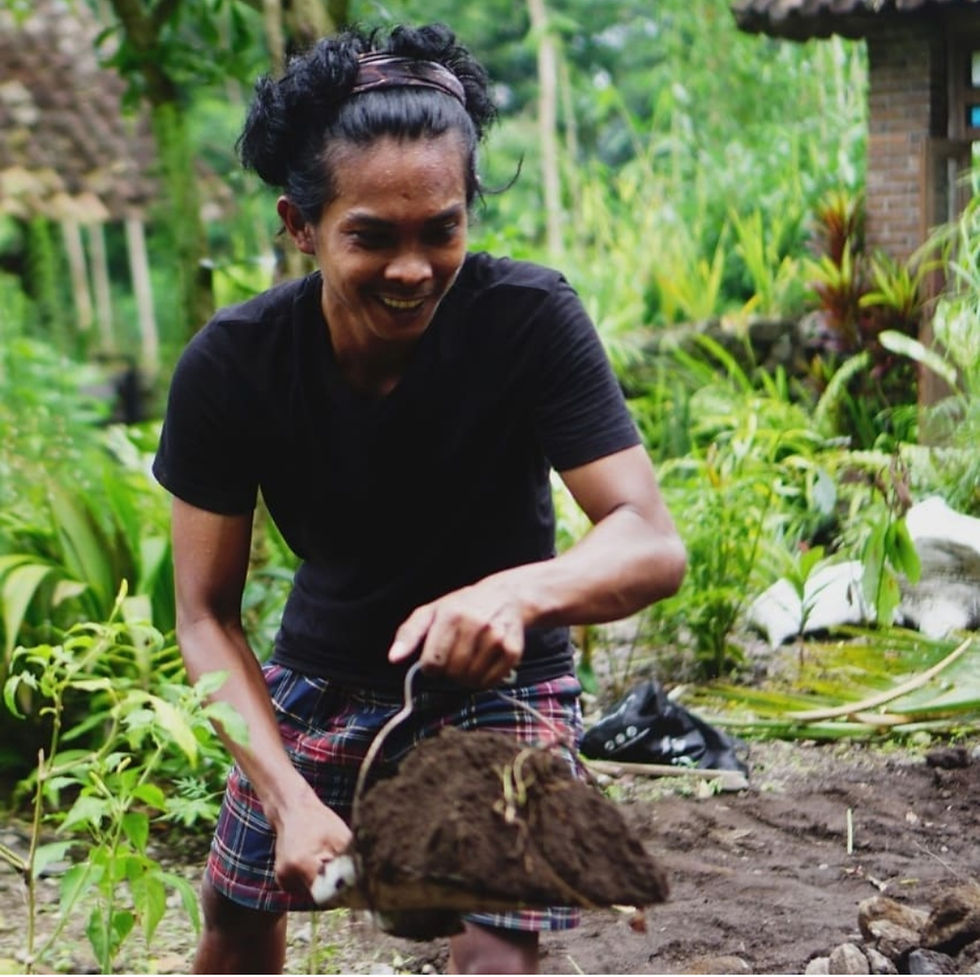
2019
First Nyantrik Programme and now held biannually
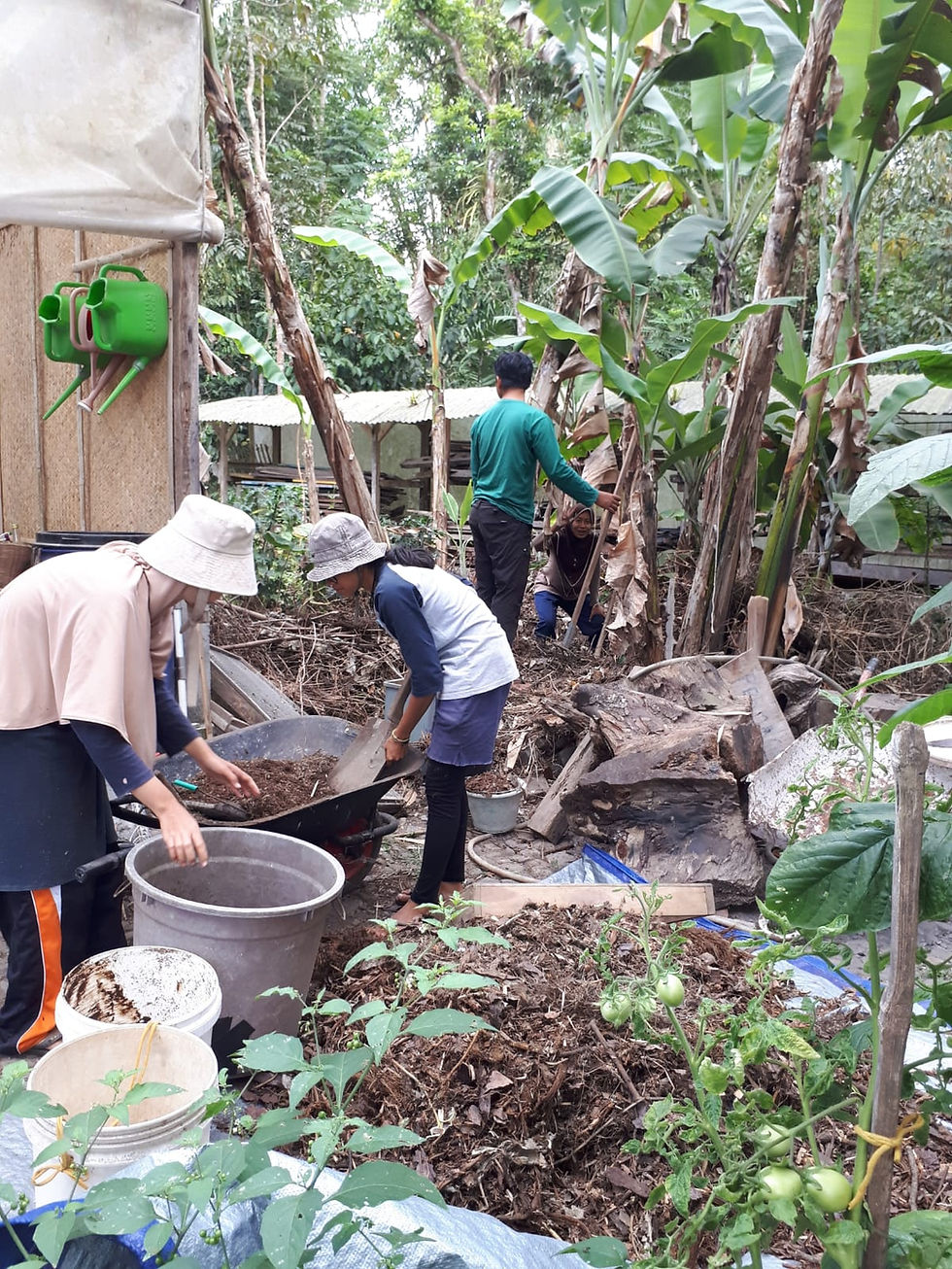
2020
First Project for Community Based Business on Waste Management
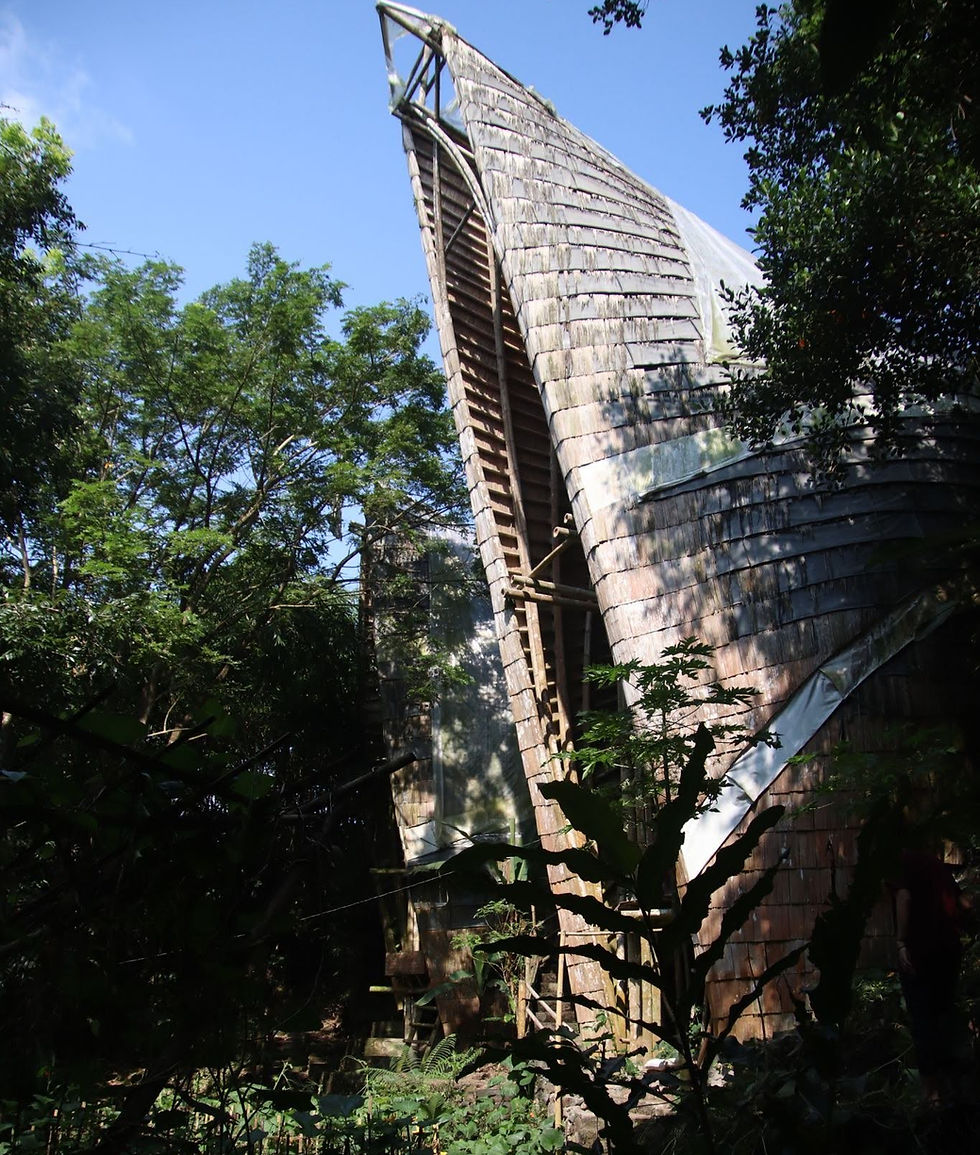
2021
Warung Musiman was established
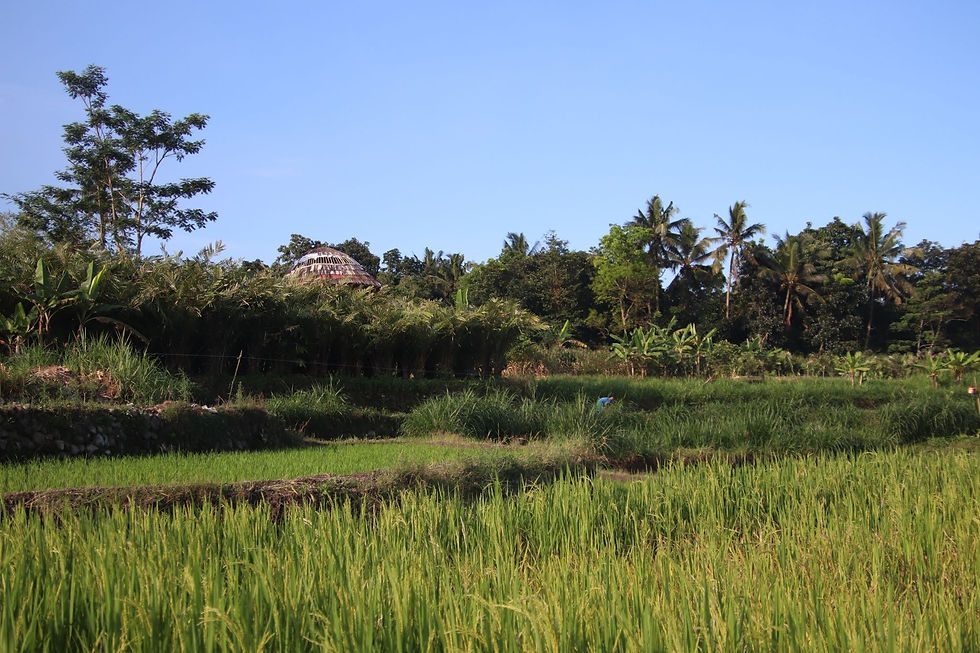
2022
Pawon Misuman was established
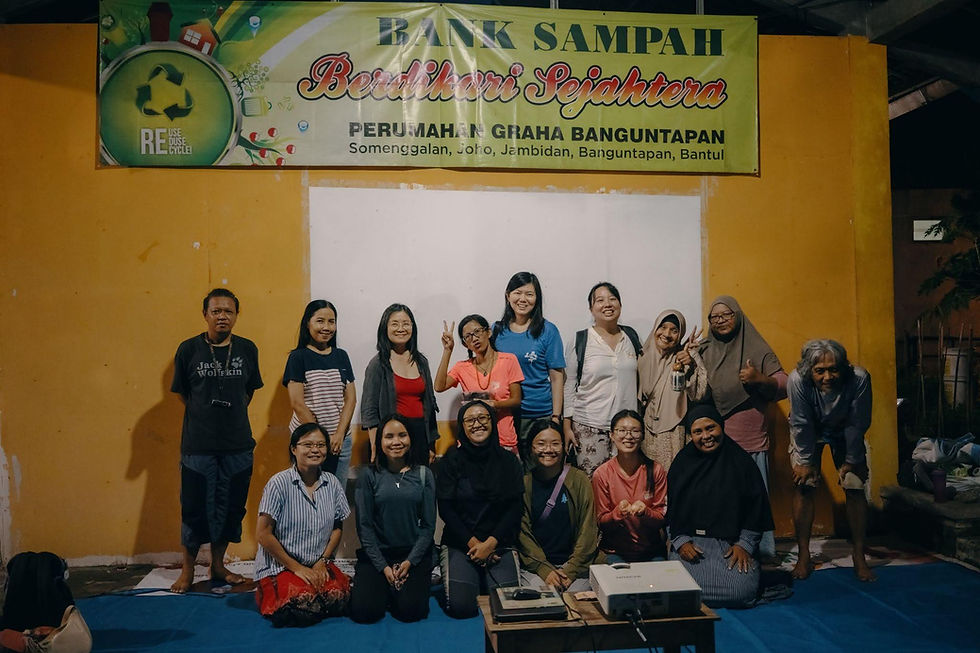
2024
Festival Kiamat Ekosistem was first held
Closed Loop Farm
Nothing in this world that is natural produces any waste. It simply evolved to different forms. Omah Lor strives in mimicking nature as much as possible. Thus we believe in adopting a close loop system.
We give kitchen scraps and wastes to our animals. In return, they give us beautiful rich manure for our vegetables. Garden clippings and leaf litters are turned to compost.
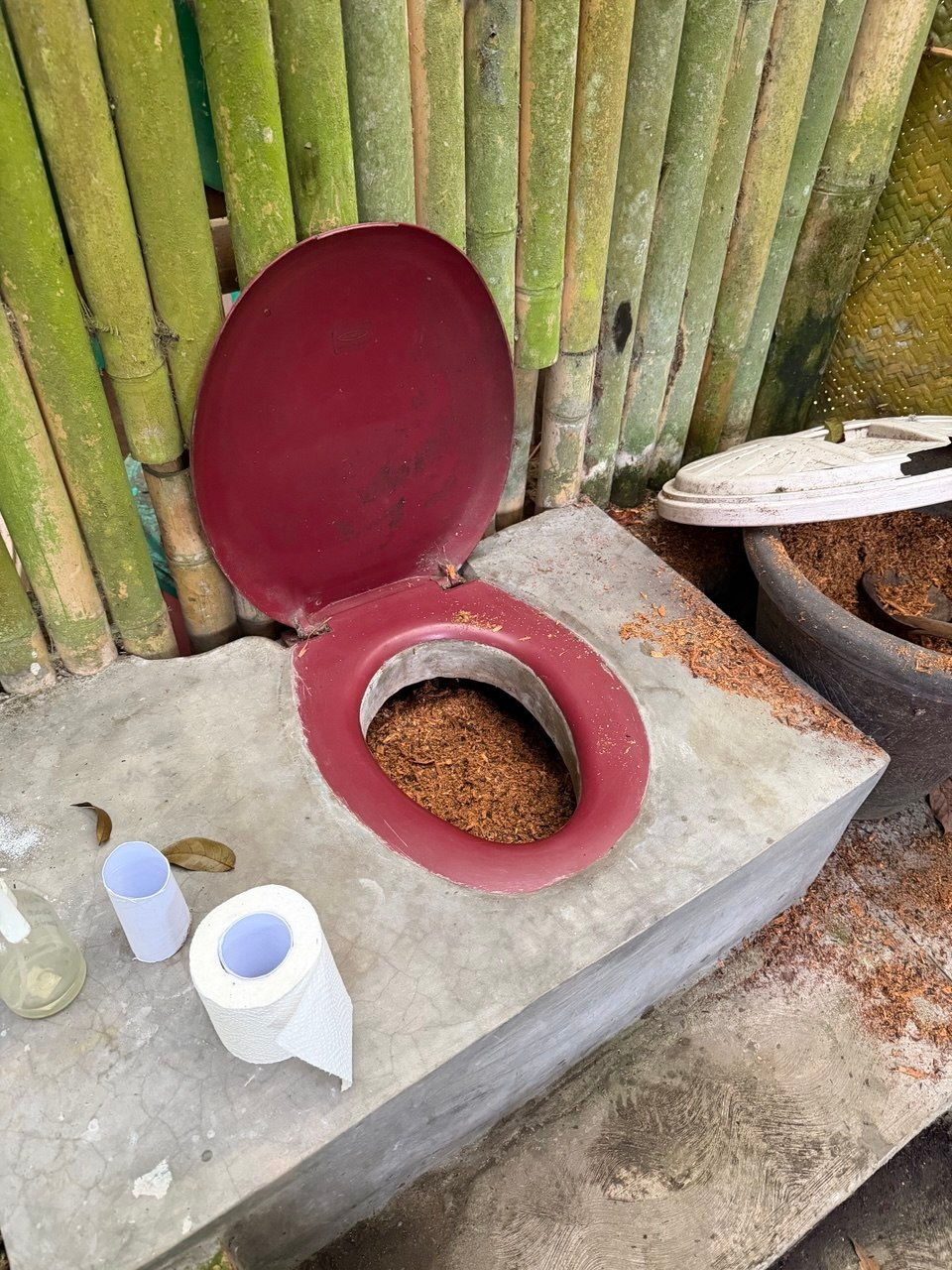
We have dry compost toilets to collect, store and compost our poo. The composted poo is then further processed by worms to worm cast, the best nourishing material for our garden.
We collect any fallen twigs and branches and pile them up for insects hotels, as well as snakes and lizards.
As mother nature never wastes, we try our best not to waste either!
Closed Loop Economy
Since our great guru is nature, we also believe that the economy should stay within our own system. We will always give businesses to our own community members and other communities that share our vision and values.
We produce 70% of our foods, 15% we get our foods from neighbours and other communities, 10% we get from local traditional markets, and only 5% we get from supermarkets.
We make sure that the foods that we serve on our table are traceable, safe and nourishing. At the same time, we keep the economy of our food-safety-net alive.
We like to connect people and communities whenever possible, to expand our reach and network to improve and strengthen our circle!
1
Compost System
MIMICKING NATURE - even in our toilet!
We have dry compost toilets to collect, store and compost our poo. The composted poo is then further processed by worms to worm cast, the best nourishing material for our garden.
2
Kitchen Garden
NO ORGANIC MATTER WASTE
Any waste produced in our farm is the source of energy for other purposes. We give kitchen scraps and wastes to our animals. In return, they give us beautiful rich manure for our vegetables. Garden clippings and leaf litters are turned to compost.
3
Omah Lor Produce
CLOSED LOOP FOOD SYSTEM
We make sure that the foods that we serve on our table are traceable, safe and nourishing. We have a policy that we will always give businesses to our own community members and other communities that share vision and values with us.


Behind the Bamboos
Why do we use bamboo in our architecture?


